The little town of Colonia (officially, Colonia del Sacramento), Uruguay, gets a lot of airtime among the expat community in Buenos Aires. For those of us staying in Buenos Aires on the three-months-at-a-time tourist visa, Colonia is the most popular destination to make a “visa run.” At minimum, we just hop on a short ferry ride to Uruguay in the morning, eat and wander around Colonia during the day, and then return to Argentina in the evening with a new three month visa tourist stamp.
Seeing the “Colonia run” as a task, many expats complain about the little town. “There’s nothing to do.” For us, “nothing” sounded amazing — a much-needed break from our first three months of diving straight into local life in Buenos Aires.
So we turned our visa run into a 4-day, 3-night vacation. We are so glad we did. This trip to Colonia turned out to be about as close to our ideal vacation as we’ve ever had, as it provided us everything we always want in a vacation:
- a daily activity schedule centered on great food and when to eat it
- plenty of “down time” to read and unwind
- a large body of water
- perfect weather for staring at the water all day
- a comfortable bed
- a clean and beautiful pool
- minimal people, minimal noise
- free live music
- motorbikes or scooters for rent
We loved Colonia so much we thought about moving there to get out of the big city, but later realized that we just needed to move out of our tiny BA apartment. More on that later. For now, enjoy the pictures.
**Fellow expats, scroll to the bottom for some suggestions and helpful tidbits about your visit to Colonia.
-

-

-

-

-

-

-

-

-

-

-

-
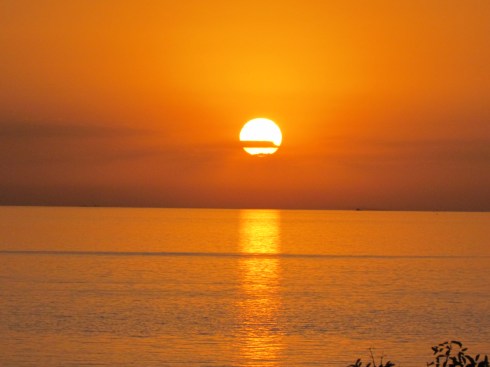
-

-

-
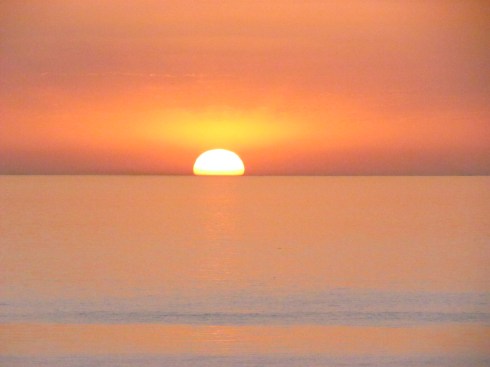
-

-
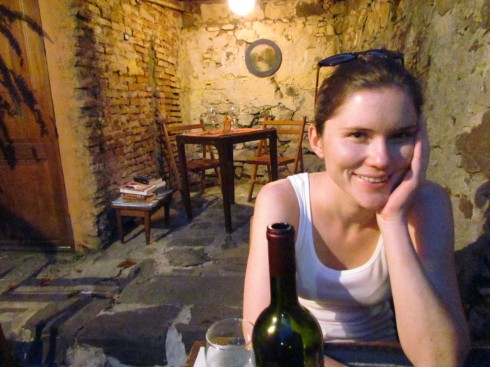
-
Dinner at “Buen Suspiro”
-
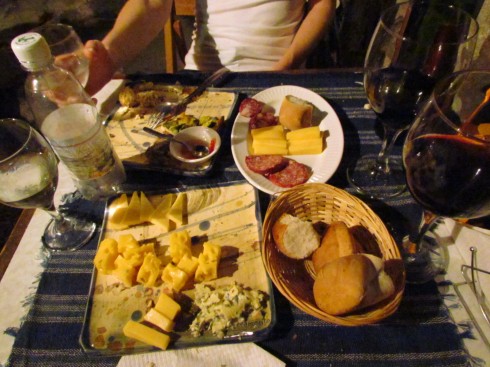
-
La Picada Suspiros from “Buen Suspiro”
-

-
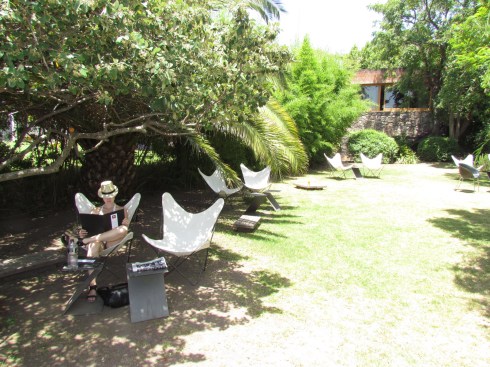
-
Lunch at “Lentas Maravillas”
-
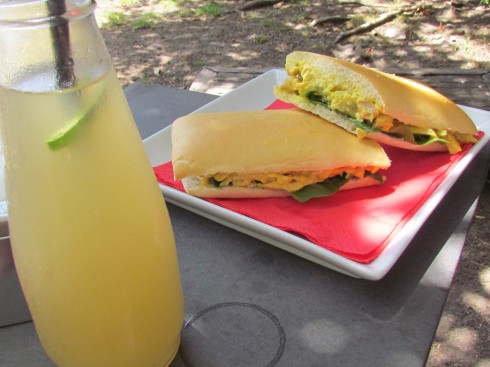
-
Chicken Curry Sandwich at “Lentas Maravillas”
-
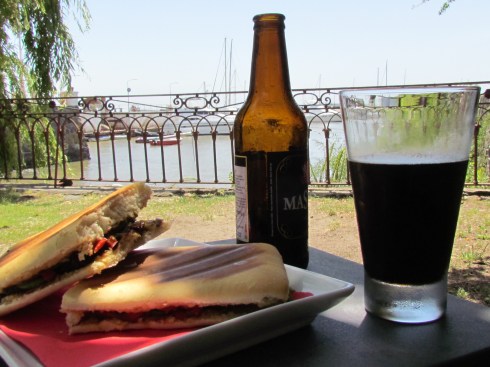
-
Lunch and view from “Lentas Maravillas”
-

-
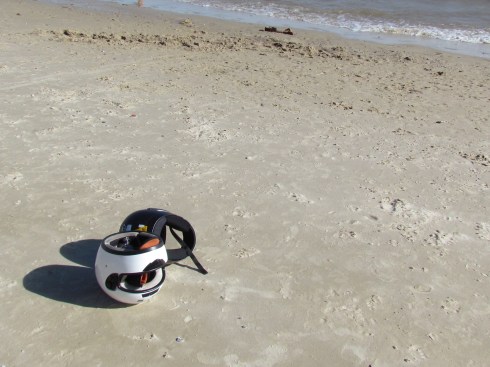
I had been wanting to ride a scooter in Colonia since 2006 when I first visited. I didn’t have my driver’s license with me then so I couldn’t. But now I can check this one off the to-do list!
-
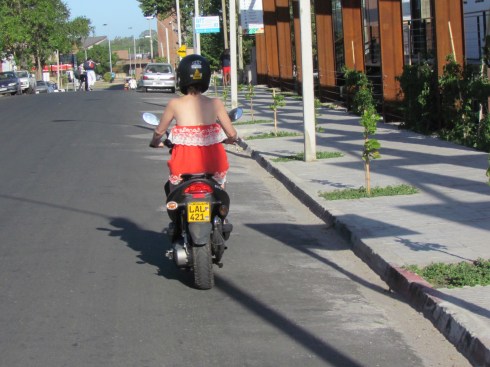
-
Maggie on the scooter!
And Maggie made sure we didn’t get injured. While riding tandem on the main street by the beach she yelled in my ear, “Watch out for the sand! You can slip on it.” It was so funny I asked hear to repeat it as if I didn’t hear her.
-
-

-
-
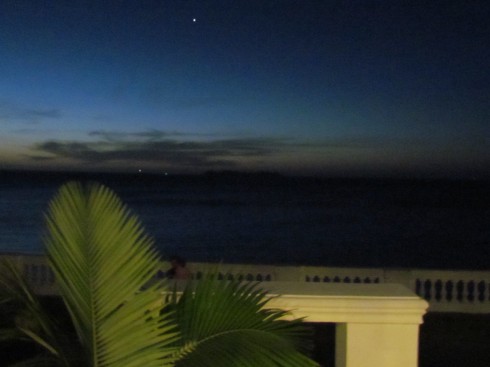
After sunset at “La Bodeguita” pizza restaurant.
-
-

-
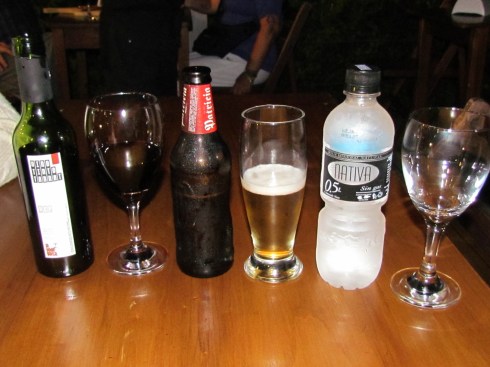
Half pepperoni and half spinach pizza at “La Bodeguita”
-

-

-
-
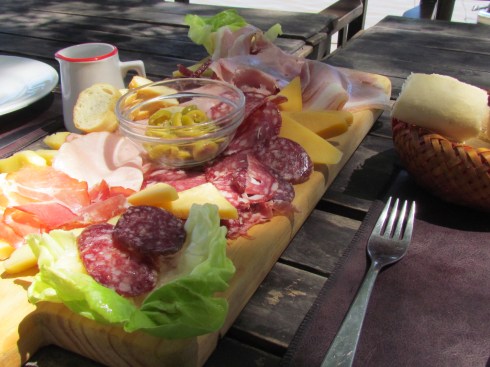
“Una picada” by the river
-

-

-
Here are some of our thoughts on how to enjoy Colonia.
General Advice:
Relax. Seriously. Bring a book and enjoy doing nothing. Plan on staying at a restaurant or cafe for at least two hours. Drag the most out of every corner and crevice of the town.
Restaurant Advice:
Trust the TripAdvisor reviews. They are spot on.
“El Buen Suspiro” only serves picadas, but the cheeses, meats, and setting are stunning. We didn’t have a reservation, but it was a good thing we arrived “early” at 8:30pm to snag one of the small tables.
“Lentas Maravillas” was by far our favorite daytime location (open 2pm – 8pm) that we went two days in a row. The owner, Maggie, prepares tasty and unique sandwiches to enjoy out in her backyard overlooking the docks and river. The name of this place, “Slow Wonders,” defined the whole trip for me. Come ready to relax and read and stay a while.
“La Bodeguita” surprised us. It was the busiest place we ate at the whole time and quickly figured out why. Go just before sundown, get a table out on the back patio and watch the sunset while greedily eating a $100 Uruguayan peso pizza (that’s US $5). We originally order two, but loved them so much we ordered a third.
Hotel Advice:
To have the good food at your fingertips, stay in the historic district.
We couldn’t afford the Radisson, but stopped by to see what the hype was about. It looked amazing. The pictures online didn’t do it justice. For our next run, we’ll be staying there for sure.
While it gets a number of bad reviews at TripAdvisor, we stayed at Hotel Italiano and enjoyed it. The rooms are smaller than the average hotel room, but the bed was comfortable, the room was quiet, the shower has pressure, and the two pools were beautiful and clean.
Ferry Advice:
While SeaCat and Colonia Express are often cheaper than Buquebus, they are smaller boats (and not as comfortable) which means that if you are like me and get seasick quickly, you want to avoid them for journeys over 30 minutes. Whatever you do, be sure to at least take the one-hour ferry, as opposed to the 3-hour ferry, on your return trip. Do it both ways if possible.
Things we wanted to do but didn’t:
On a future run, we’ll go further out into nowhere land and stay at El Galope, a hostel and ranch, where we’d have access to ride horses, bike to a deserted beach, visit Victoria’s goat (and cheese) farm, and enjoy more of “nothing.”
Also, we’d love to take a day trip to the Uruguayan wine country in Canelones. Winery info here.
Tags: Argentina, travel, uruguay






 Before We Age